Not My Fault!
On perfection, blame, family patterns, and learning to offer myself grace.

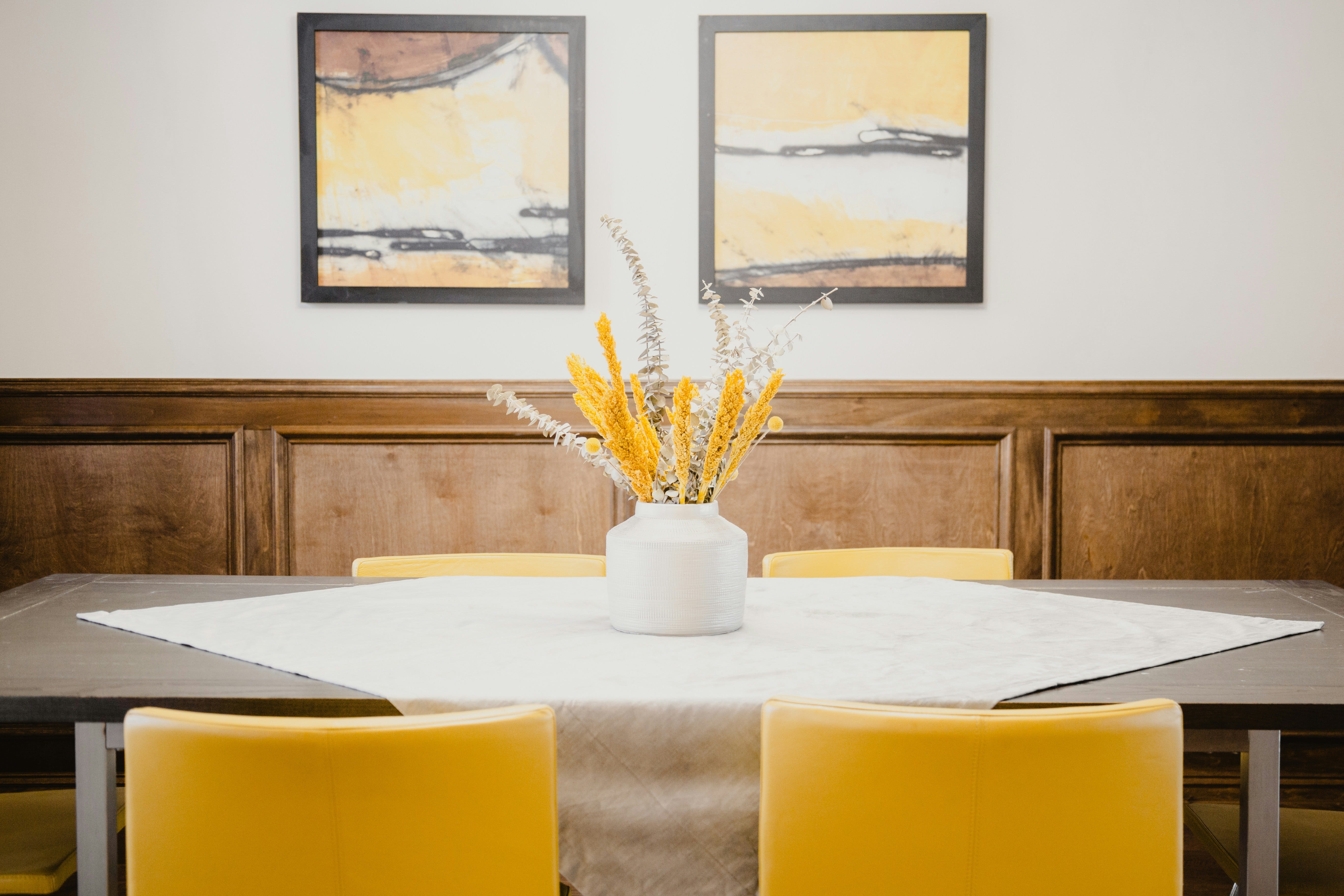
I sat at the dinner table, perched on those yellow vinyl chairs that looked like they’d been pulled straight from a 1970s catalog. Mom had just finished cooking, and everything was set out—the brisket, the pitcher of water, the salad, and the bottle of Italian dressing.
My right arm was in a cast from a “beautiful” dismount off the uneven bars executed just a little… wrong. At thirteen, being one-handed felt like the universe was playing a joke on me. Even the simplest tasks required double the effort and a whole lot of patience I didn’t yet have.
I reached for the bottle of dressing and shook it with all the determination and awkwardness a one-handed 13-year-old could muster. The first shake was so strong, and I was so focused on the motion of it, that I didn’t notice what was happening. With the second shake, fear struck me. Salad dressing sprayed across the wall behind me, the family wall, freshly stuccoed. I felt droplets land on my shoulder and cheek.
It was Wish-bone Italian dressing that sprayed over my shoulder and onto the wall. Along with the oil splatter, tiny flecks of herbs and pepper clung stubbornly to the textured stucco. The only wish I had in that moment was to run and hide in my room. I wanted to disappear rather than absorb the blame.

I haven’t been able to eat that dressing since, I learned much later. Memories have a way of living so deeply inside the body that even a salad dressing can resurrect shame instantly.
The cap, as it turned out, had only been lightly placed back on.
“Look what you just did!”
“That’s not my fault!” I cried, pointing at my sibling who had left the cap crooked.
“Look what a mess you made!” my sibling shot back with a wry smile.
I prided myself on being clean and tidy—even at thirteen, that was part of how I understood myself. I ironed with my mom. I cleaned the house after school. My room was always in order. I even loved aligning the kitchen cabinets until everything felt just right. Order wasn’t just something I did…it was how I made sense of myself and the world around me.
So hearing those words landed hard.
Shame, anger, and hurt rose all at once.
It felt unfair, almost like an attack on who I believed I was.
I stared at the dressing splattered across the wall, feeling like I had failed at being perfect. The happiness I’d felt only moments earlier while sitting at the table, waiting for the meal was replaced with a sudden heaviness, a feeling of doom that settled over me and would hover for a long time, because mistakes were remembered, often brought up, and flung back at you with a heaviness that hit the gut like steel.
Growing up, perfection wasn’t just a preference, it felt like protection. If I kept everything neat and orderly, maybe I would be loved. If I anticipated others’ needs, maybe I would be wanted. Order felt safe in a home that was chaotic. Mistakes stuck like crazy glue. With each passing year, the mistakes from the previous ones were piled on in moments of disapproval. It was hard to live like that.
In my family, mistakes didn’t fade, they lingered. Grace wasn’t something we were taught or offered.
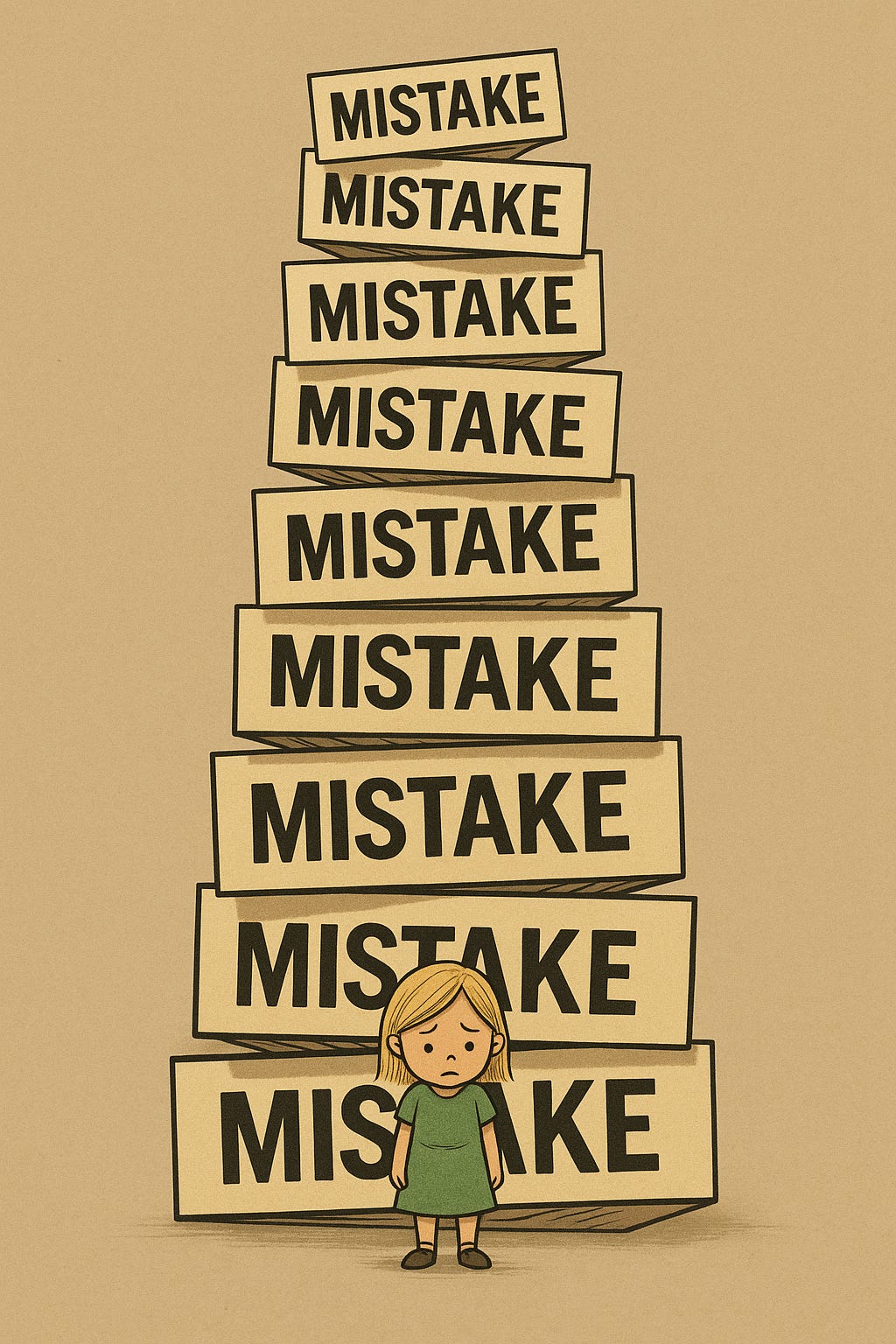
I felt scapegoated, cast as the one who “did it,” even though the truth was more complicated. Not my fault became my shield, my quick reflex to push the blame outward so I didn’t have to carry it. It also became a way to reject responsibility before I was ever ready to hold it.
Trust is built in the small moments of connection: showing up, caring, and being allowed to make a mistake without fear. I didn’t learn to trust myself or the people around me. It was a fragile way to live: guarded, scared, and unsure of how to accept responsibility.
It took many years, and finally living in my own home, making my own rules about mistakes, trust, and showing up for myself and others, to retrain both my body and my mind. I remember getting a new table, proud of how perfect it looked. Soon, it had scratches from people sitting around it, sliding books or plates across its surface. I didn’t get angry or look for someone to blame. I called them love marks.
When I looked at that table, I didn’t see imperfection.
I saw evidence of laughter, conversations, warmth, and life shared.
This was a different way of being.
It would be years before I felt safe enough to set that old shield down, to stop defending myself and start looking inward with honesty and compassion.
Dinner that night felt heavier. My mother had painstakingly stuccoed that wall—the family wall—covered in framed photos and memories. Somehow the dressing dodged every picture and hit only the wall itself. A perfect, unfortunate aim.
At thirteen, it was simple:
Someone else caused this. I just got caught in the middle.
But growing up has a way of widening our perspective.
Maybe I should have asked for help before shaking the bottle with my left hand.
Maybe I should have checked the cap first.
If I could go back and speak to my teenage self, I’d tell her this:
Live in the messiness of life. Not everything will be neat and orderly. Mistakes aren’t failures—they’re part of how we grow.
I didn’t see my part in that moment for a long time. Yes, the cap wasn’t tightened. But I also didn’t check before shaking the bottle. Both things were true.
What I understand now is that blame and responsibility are not the same.
Blame looks backward.
Responsibility looks inward.
Blame isolates.
Responsibility clarifies.
Responsibility doesn’t diminish us.
Responsibility enhances us.
It humanizes us, deepens our connection to our actions, and strengthens our connection to one another.
Because “not my fault” may keep us safe—
but it rarely moves us forward.
And I am always moving forward.
As I think about it now, I’m reminded of Tim McGraw’s “Humble and Kind,”a song that feels like the adult version of the lesson I didn’t learn until much later.

Author’s Note:
I write to make sense of life’s shifts, soften its edges, and honor the ways we grow through what we experience. If this piece offered you comfort, clarity, or companionship, I’d be grateful if you subscribed to Learn, Grow & Thrive or shared this with someone who might need a gentle reminder today.
With gratitude,
Chellie 🩷
Chellie Grossman is a Certified Life Coach, Keynote Speaker, and Writer who empowers leaders to reclaim their voice, embrace their strength, and lead with authenticity and purpose.
I love this!